Liberty…
…Tranquillity…
…Remedy
Who am I?
I am everyone and no one.
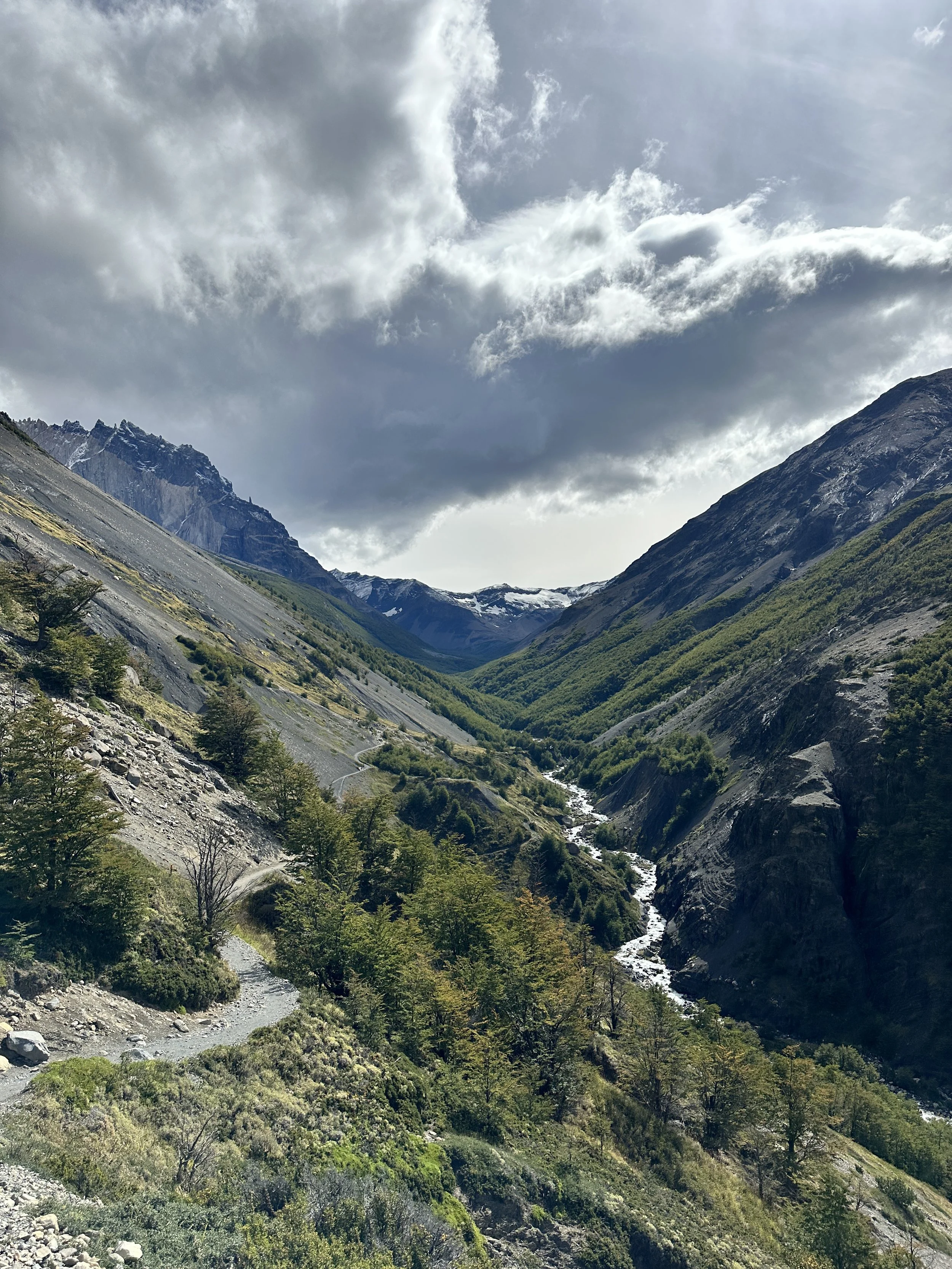
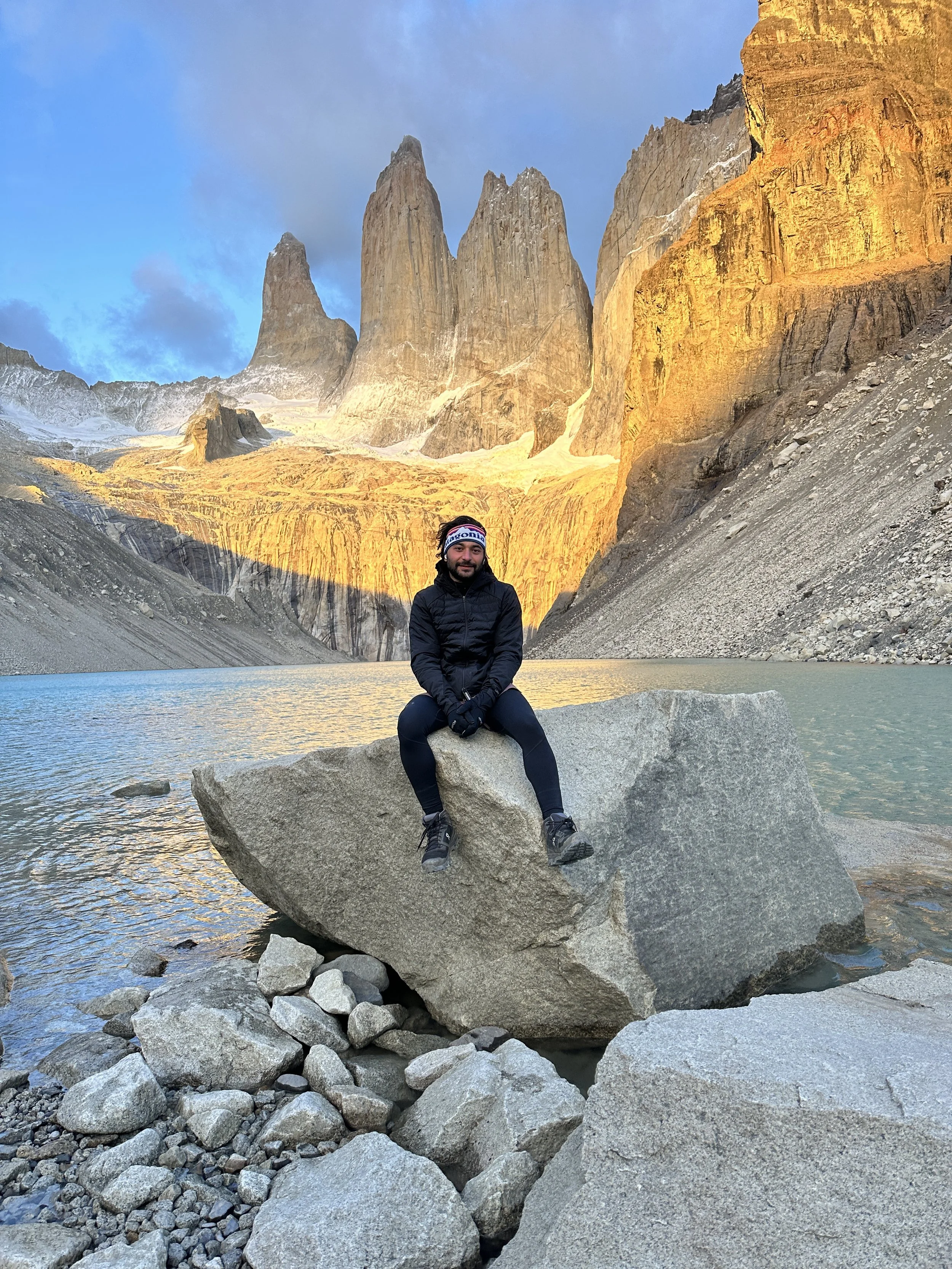
Imagine sitting in a large hall with 80 other people… in the middle of the mountains. There is no internet, no technology. You are not allowed to communicate with each other in any shape or form, not even through eye contact. You are sitting on a meditation pillow and listening to your thoughts. As you have been for the last 7 days, 12 hours a day. You're watching in your mind how certain experiences shaped you. How they made your life so difficult. Sometimes too difficult to keep fighting. How no one else could understand the pain you are feeling. The ex-partner who left you. How your parents hurt you. How the job you have been preparing for for the last 10 years of your life was not what you thought it would be…. Suddenly it hits you… everyone else in that hall has similar thoughts. They are there for a similar reason. Life got too difficult. So if my thoughts and experiences were so unique... how come everyone else is thinking the same? And it is not the 80 people in the hall. It is 10 billion people around the world… who are also experiencing pain and are struggling.
I was doing a Vipassana retreat in a place called Worcester in South Africa when I had this experience. I realized that my thoughts are not so unique and I am not special. I realized that if I were to vanish from this world, it would make no difference. I am one of 10 billion people. What difference would it make? It is a scary feeling… realizing you are so small in this world. But… it is also powerful.
When you realize there are billions of people around the world experiencing and thinking the same, it makes your problem less significant. All of this suffering, and in many cases the injustice that happened to you, did not happen because it is you… it happened because it is life. I am sure most of the 80 people in that hall had, at some point, the same thought, feeling, or pain, and I am sure they, as well as I was, were looking for a logical reason why this happened to them.
One of my favourite quotes is from Erling Kagge. A Norwegian lawyer and explorer, who is the first person to reach the North Pole, South Pole, and the summit of Mount Everest… on foot. When he reached the North Pole after 42 days of walking alone, he realized: there is no there… there. The end of the North Pole was empty.
We all know this feeling, when we are working hard towards something and keep thinking the reward is going to be great and worth it. Now imagine you have been walking in the cold for 42 days towards the North Pole to arrive at nothing…. Now let's draw a similar comparison to our experiences in life. Most of them didn’t happen for a reason. They happened because it is life. In life we have ups and downs. Sometimes good things happen… sometimes not. Stop blaming people for what happened to you. And stop justifying your lethargy because of what someone told you, did to you, or because of your parents. It is just life.
Everyone has similar thoughts like me… so I am everyone. What makes me different from everyone is the constellation of these thoughts and experiences. It is not the interpretation. There are limited ways of interpreting those. You either move forward… don't let it determine your life or how you deal with the people around you… or you make it the master of your life and let yourself fall into a hamster wheel of anxiety, depression, and weakness.
If I were to vanish from this world, it wouldn't make a difference. So I am no one. Even the most powerful people in the world are not special. Statistically, someone had to end up in a powerful position. Some of them were just stupid enough to believe they could become powerful and ended up in a powerful position. There are many examples in modern and past history of such people.
So how did I end up here?
Let’s start where I am now: I am a doctor in Switzerland, finishing my residency in dermatology. I am originally from Damascus, Syria (the oldest capital in the world).
The path to becoming a doctor was influenced by my great-great-grandfather, Dr. Abdulkader Zahraa. He was one of 10 doctors in Damascus. He was one of the two founders of the Faculty of Medicine at Damascus University. After the faculty was founded, women and men studied there. He was an influential political figure during the short democratic period in Syria before it turned into a dictatorship. After one of his close friends was assassinated during the rise of the Al Baath Party (which then became Assad’s path to claiming power in Syria), he took a step down from politics. He used to treat poor people for free, and even give them meds for free. This is, in my eyes, what makes him a genuine and honorable doctor. And this is why he is my role model in life. I don't think medicine is about helping people. It is about understanding them. It is about realizing that it is not about me, it is about them… When doctors got desperate, they would consult him. Even to this day, when I go to a shop in Al Shaalan (the area in Damascus where he lived and owned huge parts of it. It is also the area where I spent much of my childhood), some of the elderly who have lived there all their lives ask me which family I am from. And they tell me… your great-great-grandfather was a great man.
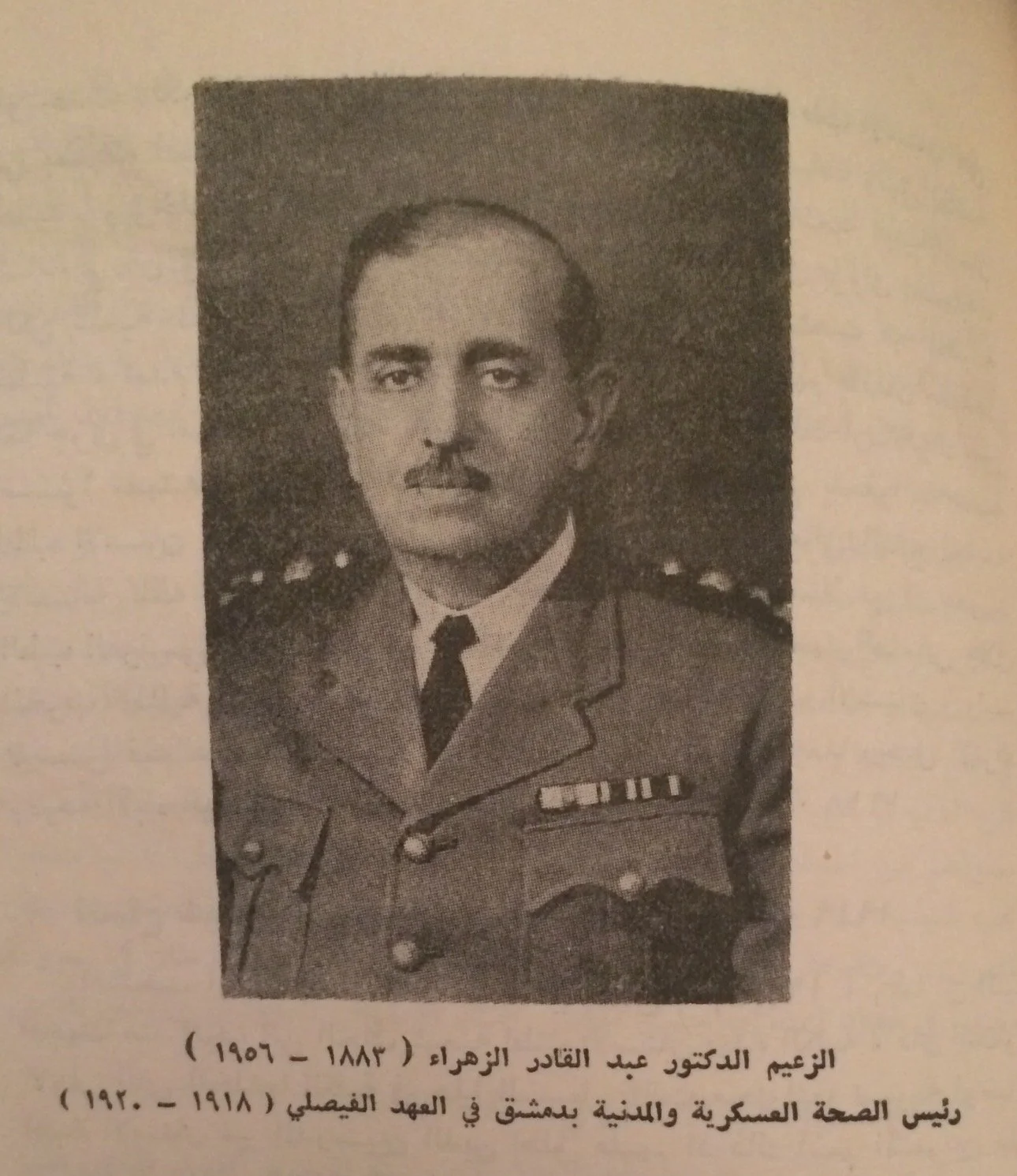
My great-great grandfather: Dr. Abdulkader Zahraa
After finishing my high school diploma, I wanted to study overseas. I had a brochure on my desk with a picture of the American University of Beirut (one of the best universities in the Middle East). I used to look at it every day. It motivated me to stay up for so many nights, studying until 3 or 4 in the morning. Studying 8 hours a day after school was standard for me. On the weekends, I would study 12 hours a day. I wanted to get high grades and hoped they would help me get a scholarship abroad. I ended up with one of the highest grades in Damascus. My parents didn’t want me to leave. They felt that if I were to travel so young—I was 17 years old—I would end up taking drugs and sleeping with prostitutes. I ended up studying medicine for three semesters at Damascus University. The faculty that my great-great-grandfather co-founded. I hated it. It was 2013. The uprising in Syria was at its beginning. All of Damascus was full of military checkpoints. The university was swarming with military forces. And a friend of mine got arrested inside the university by the state police. He was an opponent of Assad's regime, as I was. A couple of days later, the state police came to my grandmother's home, where my friends and I used to hang out. They were asking about the names of the people who visited the house. I knew by that point, they were looking… for me. What would you do at this point? Run away? End up as a refugee in Turkey or Egypt? What about my future? And how would you leave the country in the first place? It is full of military checkpoints.
Becoming a refugee was never an option for me. I will never let anyone decide my fate. And studying was a huge priority in my life. It is the one thing I am really good at. So with my values in life clearly defined: self-determination and education.I decided to face the fear of getting arrested. I promised myself, if I didn't get arrested by the state police when I was at the university, I would do everything in my power not to experience this again in my life. I went to the university and thought, if they were looking for me, they were going to arrest me there. So it was either I go back home or I never see the sunlight again.
Since I am writing this, it means I didn’t get arrested. After that day, I sent literally hundreds of emails to universities around the world, asking them if they would offer me a scholarship. Boston University in the US and a university in Chicago offered me a scholarship to study anything but medicine. So I asked myself, in 10 years, when all of my friends are doctors, would I regret not becoming a doctor? The answer was: yes, I would. So I kept looking. A friend of mine told me that she was going to Germany to study medicine there. Our high school diploma is recognized in Germany. She said that if you prove enough German proficiency, you can apply to a university. With your grades, it is guaranteed that you will get admitted.
So I started learning German on my own. Two months later, I applied for a student visa to Germany. In June 2013, I moved there. In 2021, I graduated from Charité Medical School. Not only that, I even received a scholarship from the Friedrich-Ebert-Stiftung in Germany. I lived in Berlin until 2025. In July 2025, I moved to Switzerland.
I hated Berlin. It is a place where everyone is welcome. Because of this, a lot of mentally disturbed people also feel welcome there. So you end up with borderline, depressed, manic, schizophrenic, and anxious people. All of them believe that their mental disturbances are healthy and that everyone else has to accept them the way they are. Otherwise, you are ignorant, conservative, or sick. When did pathologies become the healthy way to live? Another group believes you can't enjoy life without drugs. So they live in a miserable hole for two weeks until it is time to go to a party at the weekend, take drugs, and feel alive again.
Having a mental health issue is completely fine. I am yet to meet a person who is mentally perfectly healthy. We all have issues. And a healthy amount of reflection is definitely the way to deal with these issues. Going through the world and blaming everyone else for who you are is not healthy. Taking drugs to feel euphoric for a couple of hours is not healthy. Screaming "freedom" the whole time and not seeing the self-made prison you live in is not a healthy way to go through life. Lecturing people on life and freedom and excluding them because they don't share your opinions is not free; it is stupid. Berlin is full of these patterns.
So how do I view life? I am a true liberal. A true liberal believes that everyone has the right to live as they wish, and they ought to help their fellow human beings if they can. I believe in deregulation. I believe the state shouldn’t have the power to stipulate regulations like wearing a seat belt while driving. People should be responsible for their own lives. It seems appropriate to tell you some of my favourite philosophers and politicians so you can get an idea about my standing: I am a fan of Margaret Thatcher, Ronald Reagan, Milton Friedman, Friedrich von Hayek, John Stuart Mill, Nassim Taleb, and Michael Sandel.
Alex Honnold, who free-soloed El Capitan in California, talks about risk. He said free soloing is less risky than most people think. Because you have more responsibility in taking your steps. You take less risky moves because you know that if you fall, there is nothing to save you.
If you live in one place your whole life and believe it is the best place in the world, you are naive. The best place doesn’t exist. Our needs change from time to time. Life is divided into phases. You have a phase in which you like drinking beer, hanging out with a certain group of friends, and feel attracted to a certain type of person. Then… it changes. With that change, the expectations you have of the place you live in also change. You can't live in paradise without people. Even with the most beautiful places on earth, the people living around you determine how happy you really are.
After I graduated from college, I wanted to do something else. So I joined a startup to create a digital health solution for patients with heart disease. I worked there for almost 6 months. I learned a lot, but it is not what you think. What I learned was how naive I was at 26. I worked there as a co-founder and chief medical officer. A very nice title… it is worth nothing. You see, startups allure you with great titles. It is like someone selling stars in galaxies. The real question is how much power and how many shares I have, or how long it would take me to get the shares I think I deserve. The less defined these questions are… the emptier their promises. So after a couple of months working there… I faced a question… Do I want to continue working there, or do I want to work with patients?… I decided on the latter. And it was definitely the right decision.
I did my doctoral thesis in public health. I found a new method to measure amenable deaths in a closed population. We need to define a disease and the population we are studying. How homogeneous the population is—the USA is a good example. Europe was difficult to analyze, because every country had a different healthcare system. In my doctoral thesis, I found out that patients with COPD (chronic obstructive lung disease) in states like Kentucky and Oklahoma had a much lower life expectancy (6 years less) than COPD patients in California and New Jersey.
You can read the doctoral thesis here:
https://open.uni-marburg.de/entities/thesis/da82069e-eaf4-437e-b571-dc8a7e575840
So what now?
I don't know anymore. I am done making plans. Everything that happened in my life went against the plan. If you're wondering why I have an exotic last name (or first name, depending on where in the world you are reading this), it is because I was married to a German woman. I took her last name, because my real last name (Al Natafji) is difficult to pronounce in German and in Arabic. But that is not all. I wanted to blend into Germany. I wanted to become a European. I hid myself, my true self, in my relationship, in work, in life, in society. I wanted to be one of them. As you can imagine… this only works for so long, until these Lego structures fall apart and I started asking myself… who am I? When I was in the mountains doing the Vipassana retreat, I would cry every day… in the morning, the afternoon, and in the evening. I was crying for myself. Why did I hide my identity the whole time? Why did I let someone give me the feeling that they were better than me for years… just because of where they were born? And how could I believe… that I would belong somewhere just because I married a person from this area or because I had lived there for over 12 years? Does becoming a German citizen make you German?
In me I carry both religions Islam and Christianity. My parents are muslims. My great grandmother is christian. I went to a Greek Orthodox school for 11 years. In the end I decided to become agnostic. Religion never made sense to me. Hell seems to me much more fun than paradise…it is where all the cool people are hanging out. I can't say whether there is a god or not. But…I believe I did enough good in my life to earn his sympathy..if he were to exist…. I went to both churches and mosques…in both I feel the warmth…But I never felt heard.
In me I carry both cultures…the Syrian and the German. I was 19 years old when I moved to Germany. It influenced me a lot. I also feel warm, when I am talking to Germans…I feel a connection and I am a German citizen and proud of that ... .But I am also middle eastern. I have the pride of middle easterners. I have the hospitality of Arabs…I love like an Arab…I would move mountains for my loved ones…and I have the love for liberty like westerners…I drink beer like a German and sometimes I am direct like a German…and after living in Switzerland I became polite like the Swiss…
So where do I belong?
There is a book called Wherever You Go, There You Are by Jon Kabat-Zinn (I love this guy, especially the mountain meditation by him). It is such a beautiful sentence… Wherever You Go… There You Are. You want to know what belonging means? Here it is… You are the answer. It is not them. It is not the place, it is not the culture, it is not the passport or the birth certificate… it is You.
There is so much to talk about. The story is sooo long and beautiful. That is why I am writing a book…called “Belong”. It will come out by late 2027…so stay tuned.
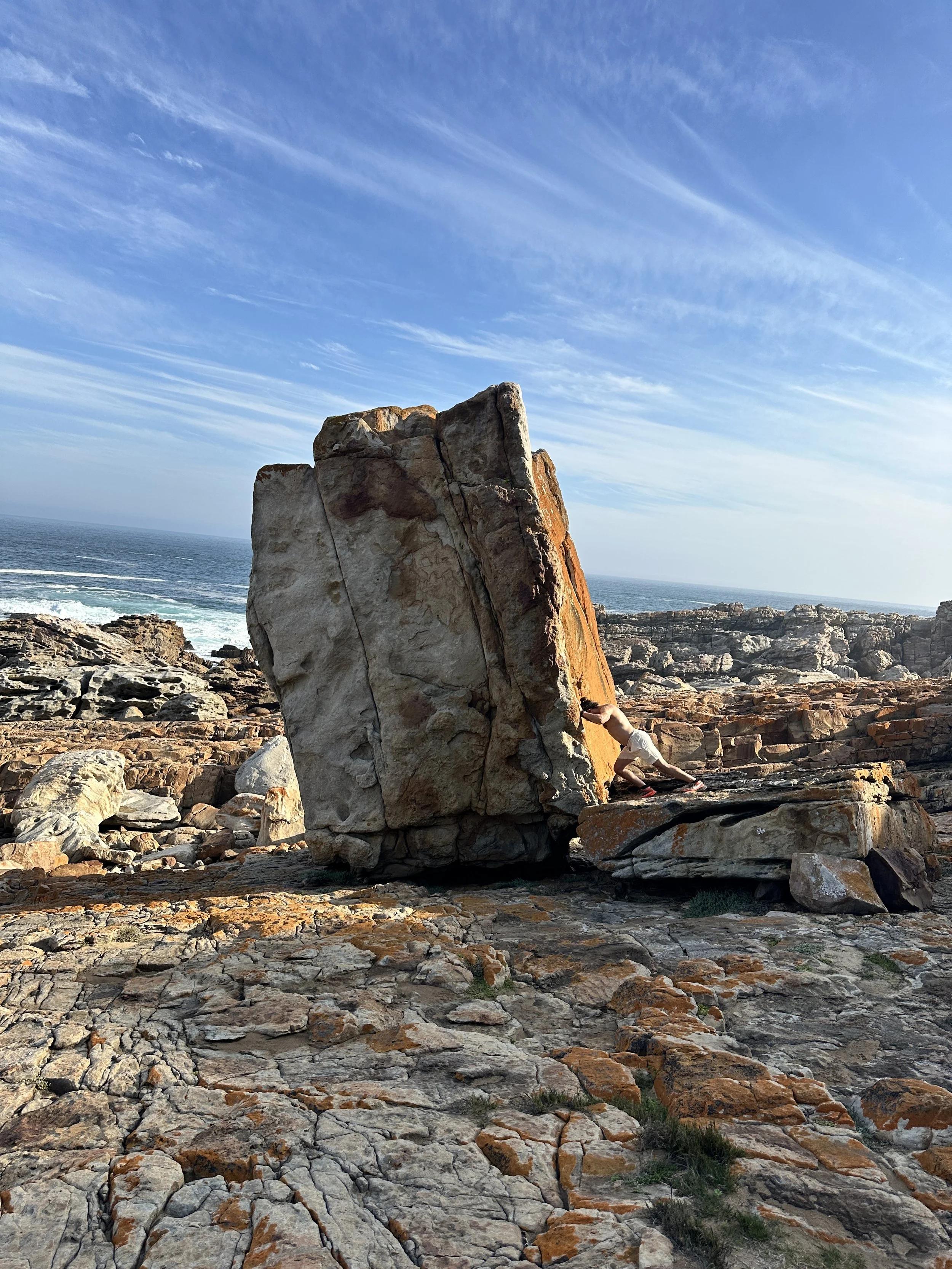
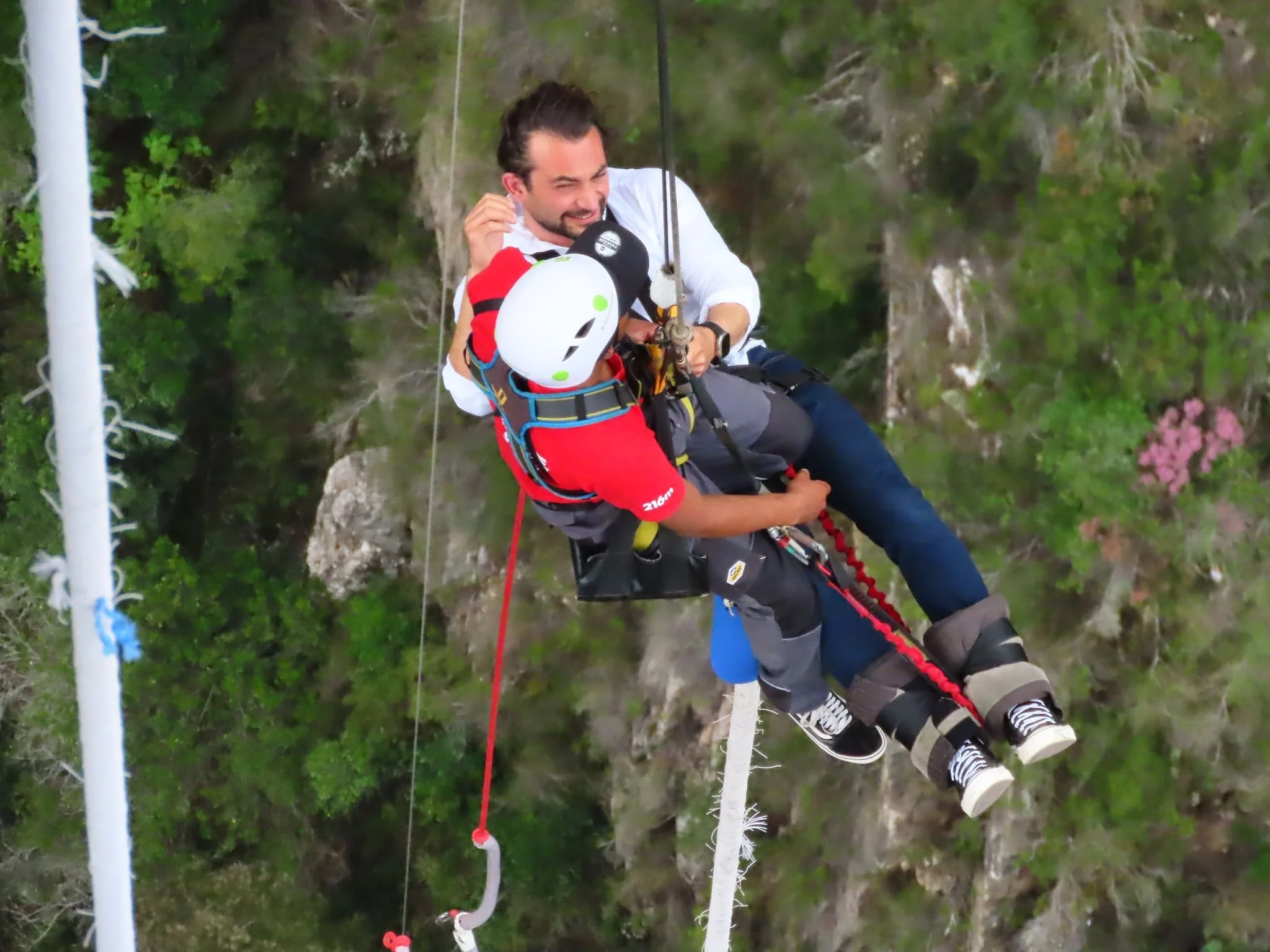
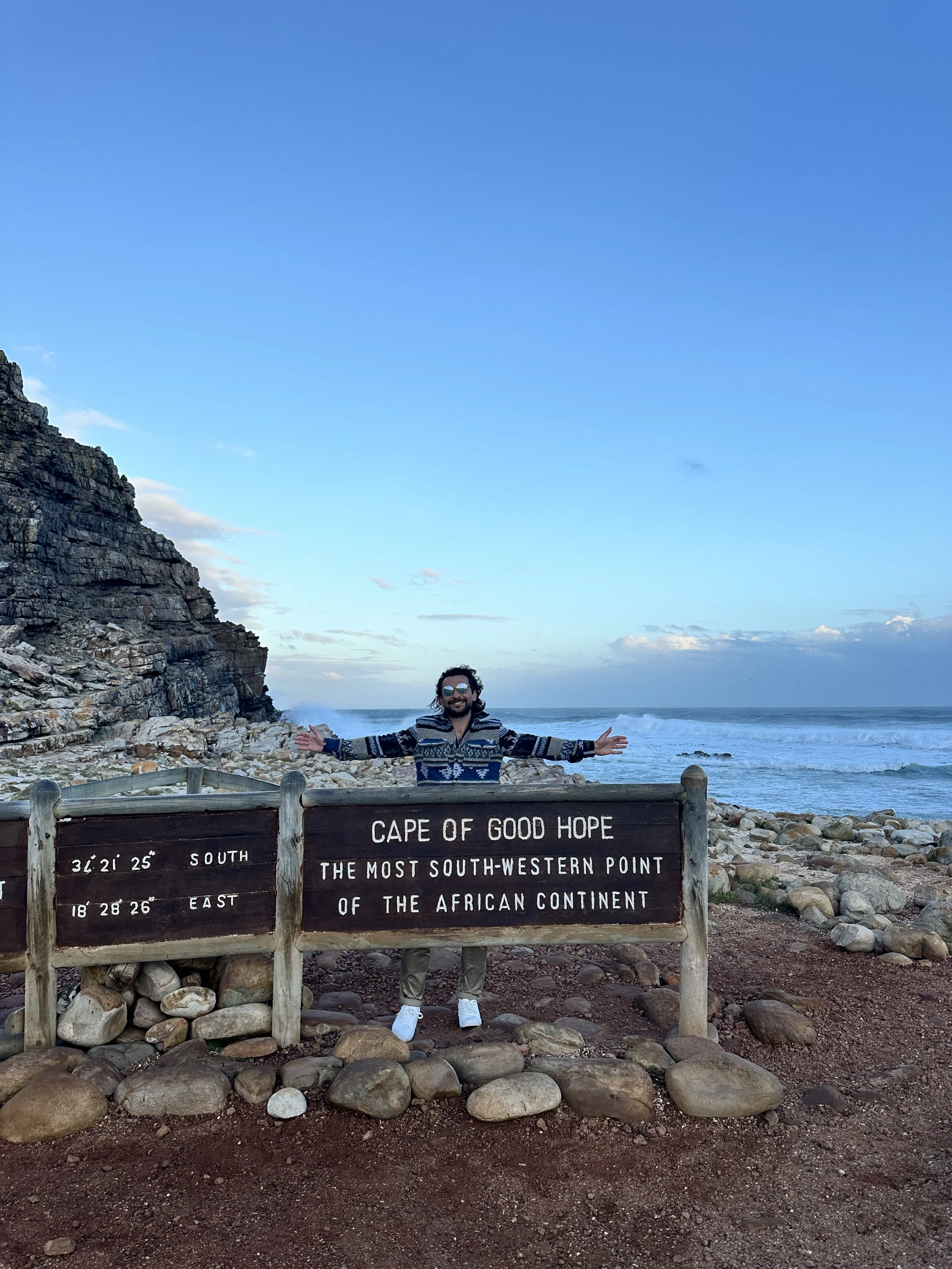
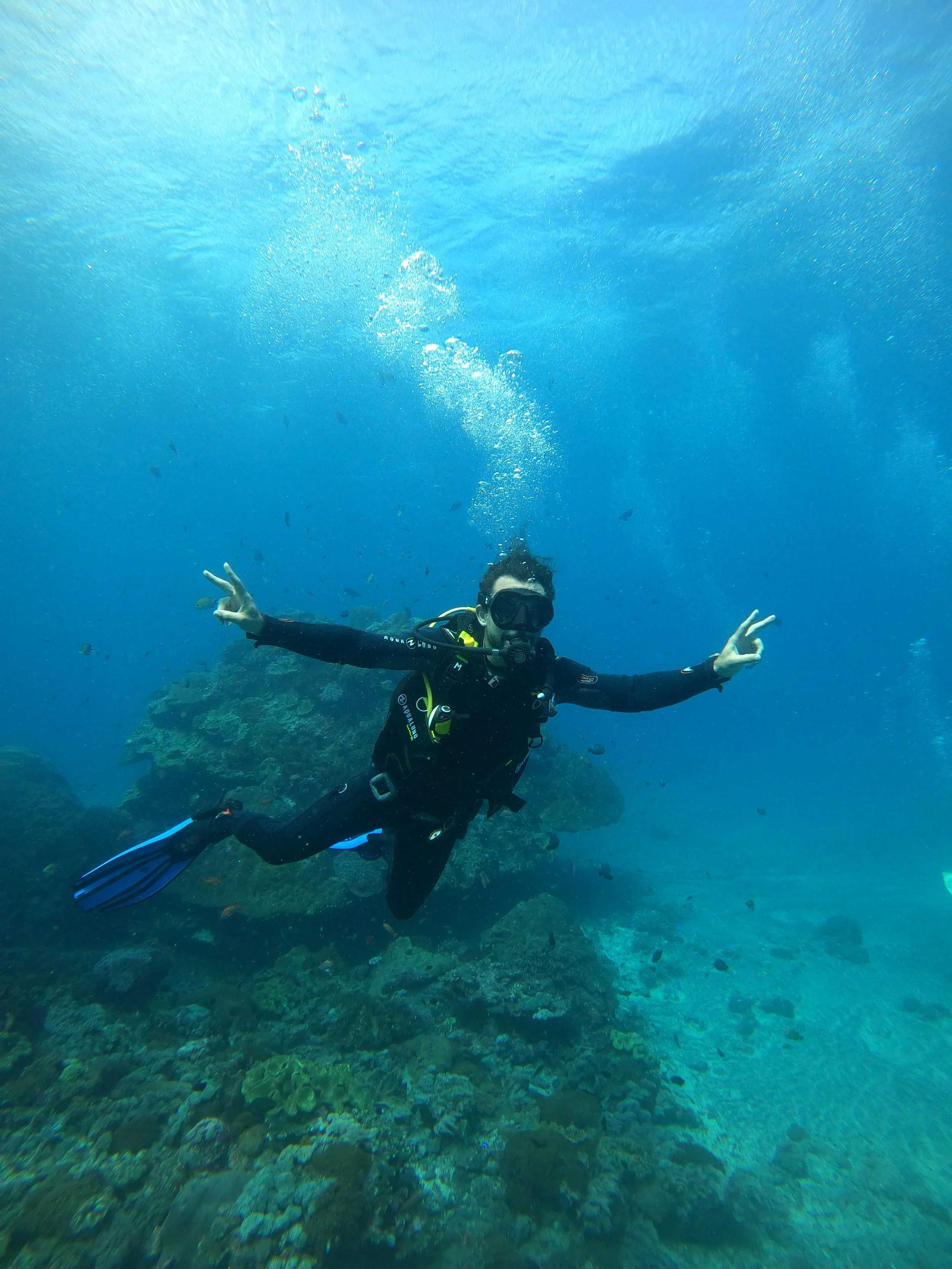
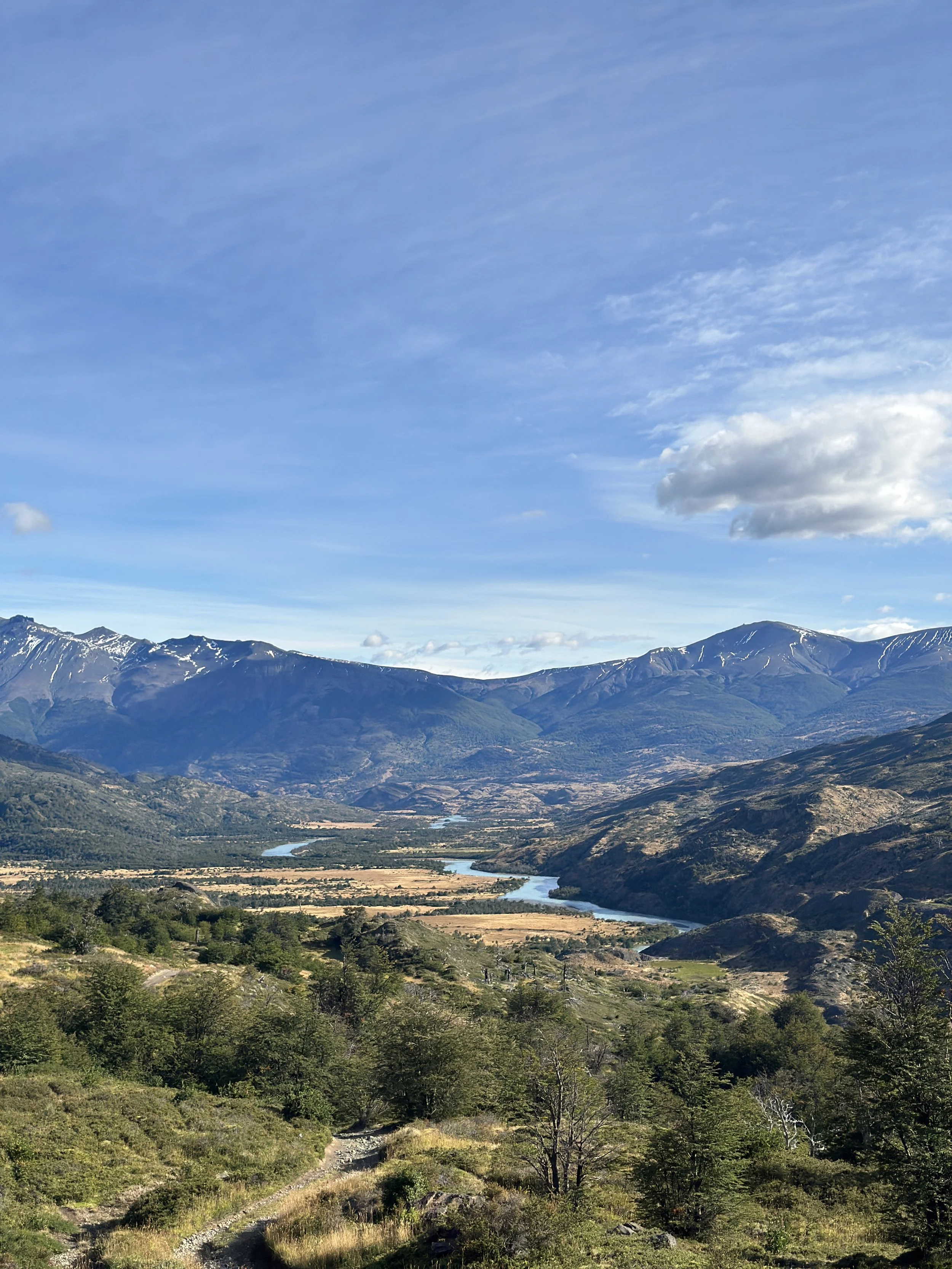
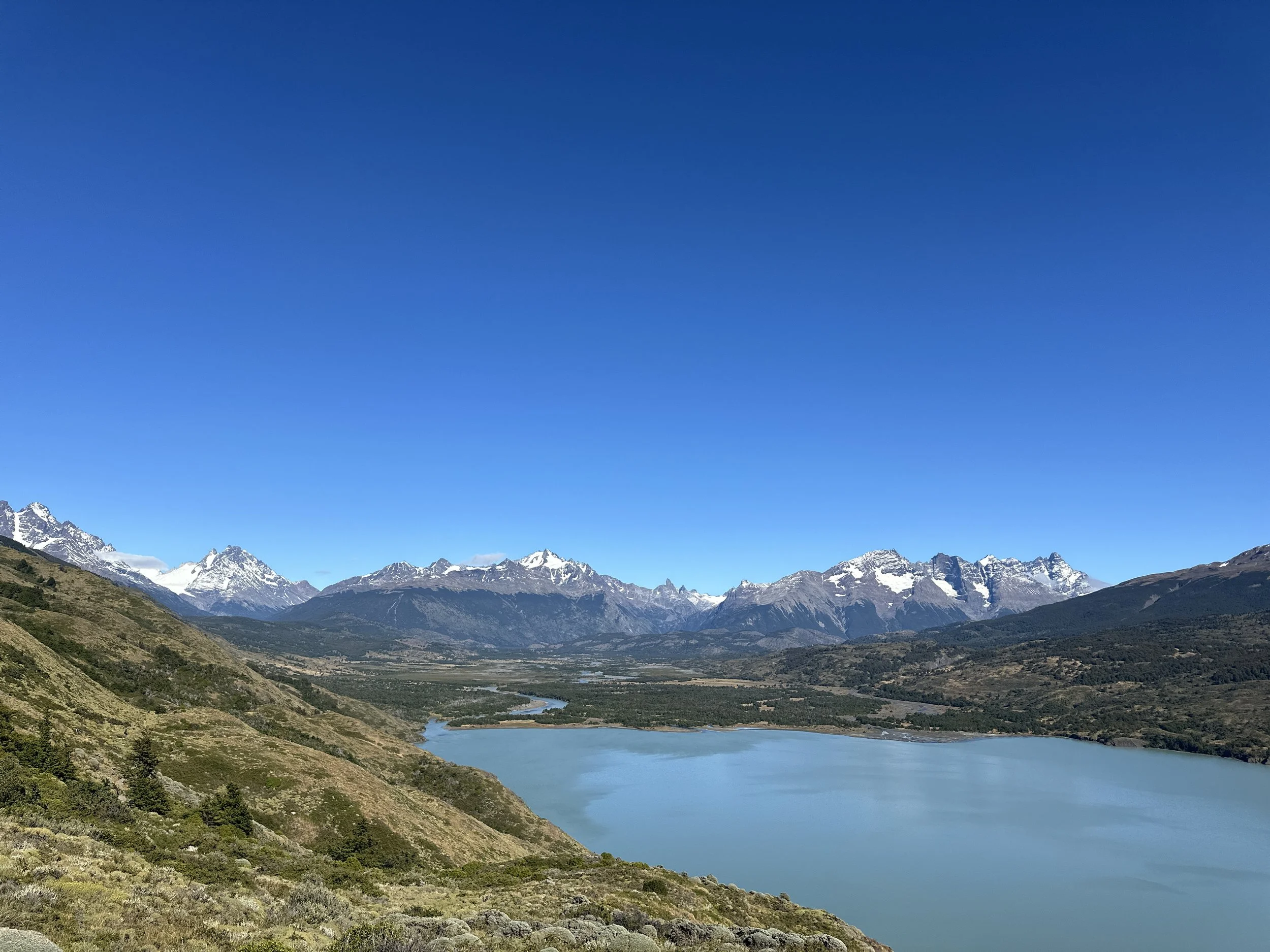
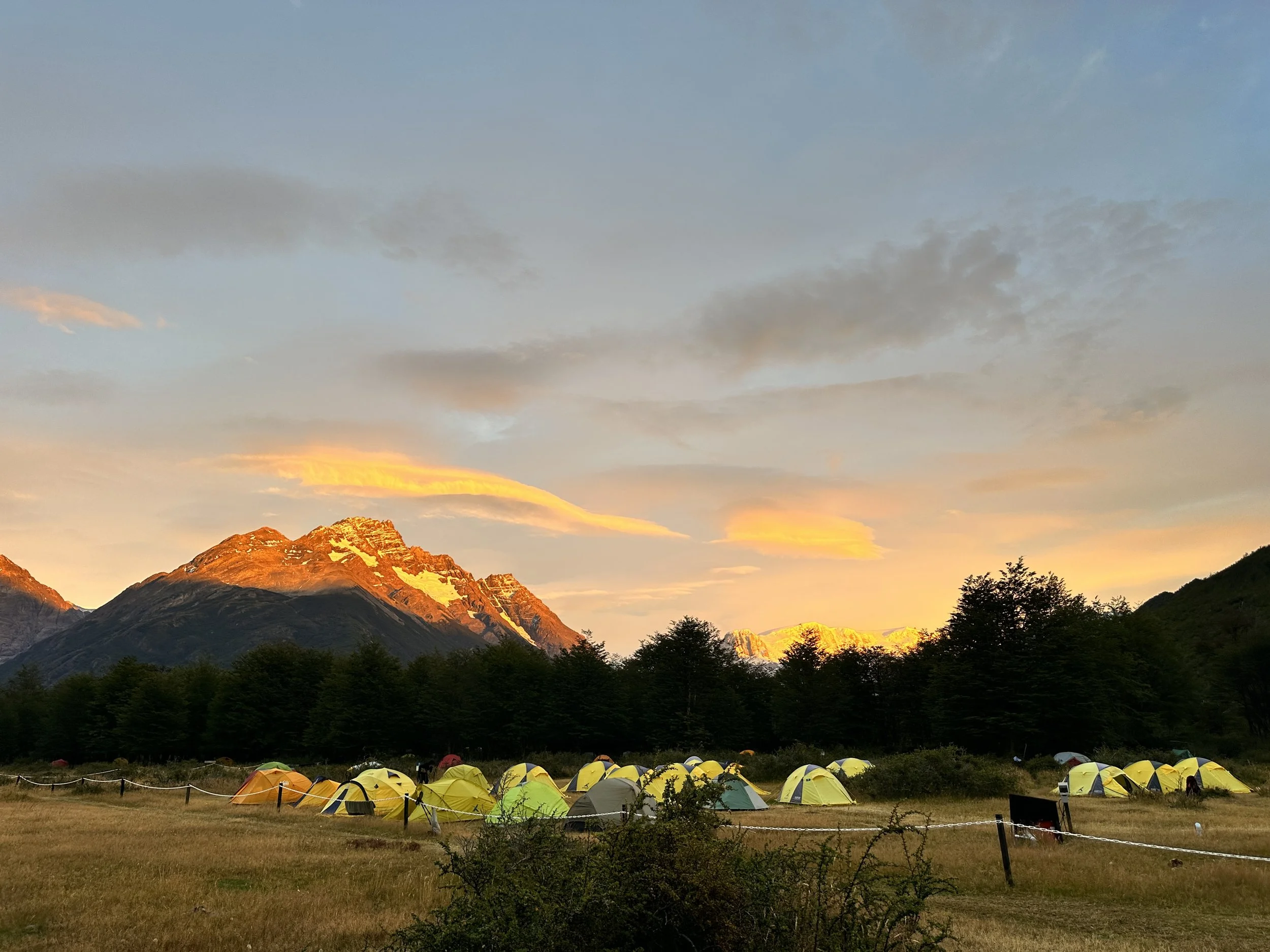
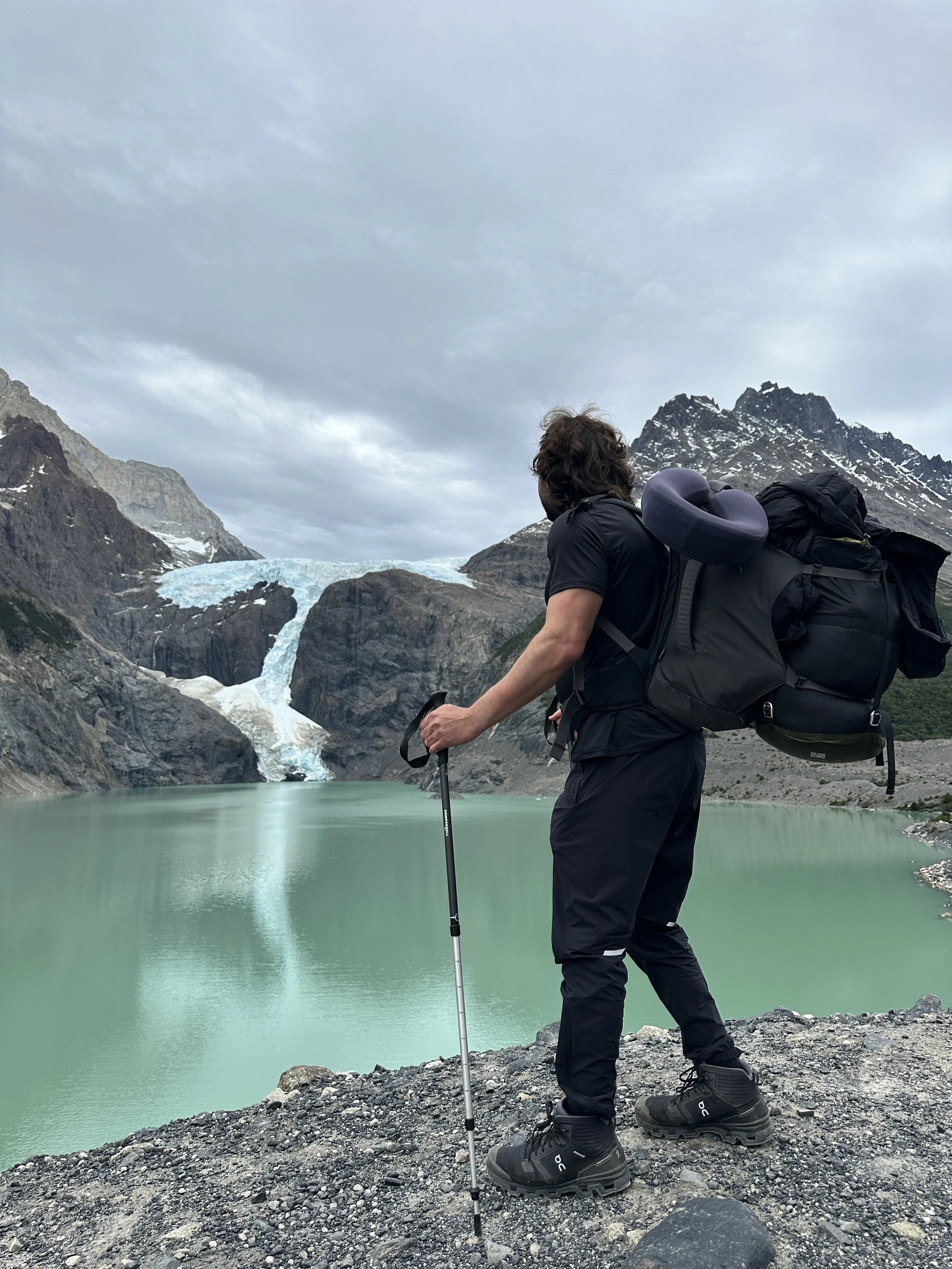
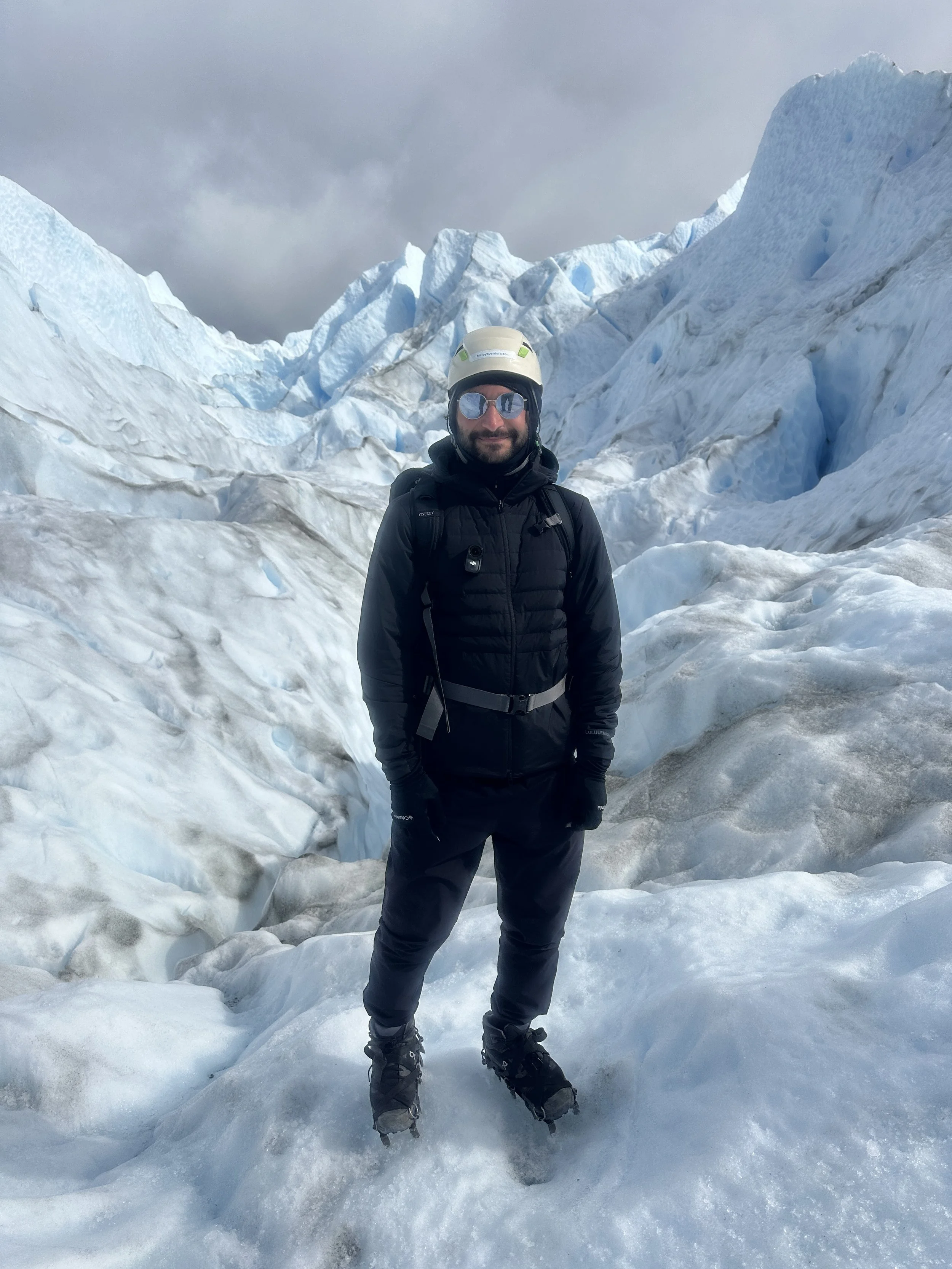
Until then I am…jumping from bridges..climbing mountains…diving into oceans…doing good wherever and whenever I can… and I am enjoying life to the last fucking breath.